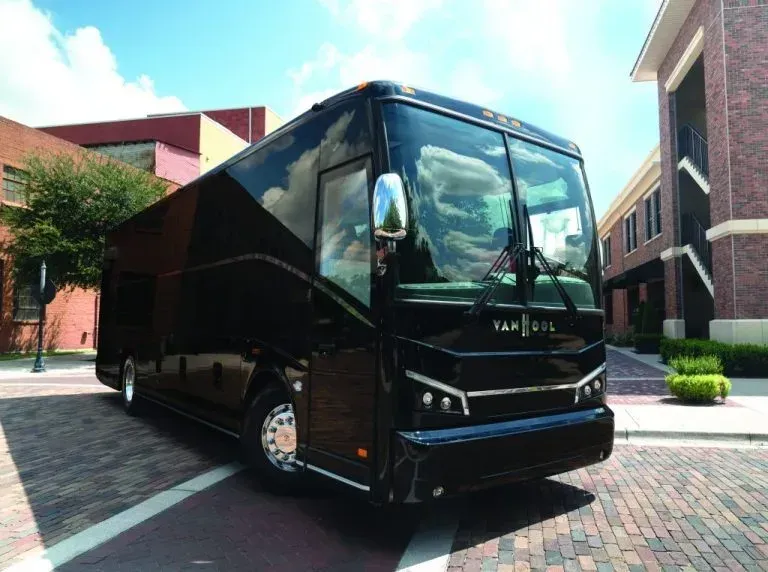
Arranging transportation for a large group can quickly grow into a complex assignment when multiple schedules, pickup logistics, and travel expectations come into play. Whether the occasion is a professional meeting, family event, social outing, or special gathering, coordinating punctual arrivals requires thoughtful organization. A structured transportation strategy helps reduce uncertainty, avoid delays, and enhance the overall experience for all travelers. By recognizing the essential aspects of group transportation management, organizers can develop a smooth travel experience from start to finish.
When sizeable groups travel collectively, transportation serves a purpose beyond merely moving passengers between destinations. It plays a valuable role in shaping the complete event experience. Effective coordination helps keep schedules on track, enhances communication among travelers, and supports a more comfortable trip. At A1 Quality Express Limousine, we recognize the value of providing structured transportation solutions that allow groups to travel comfortably and confidently.
Prepare Transportation Arrangements in Advance
Well-organized group transportation begins through early planning. Postponing transportation decisions until the last moment can limit flexibility and make accommodations more challenging. Transportation planning should begin with confirming passenger totals, travel timelines, expected departure schedules, and destination requirements. Early information gathering lays the groundwork for transportation arrangements that complement the event timeline.
Advance planning also allows time to identify potential challenges before they become problems. Event schedules, transportation logistics, accessibility considerations, and roadway conditions all play a role in shaping transportation plans. Addressing these factors in advance helps organizers establish a transportation plan that supports smooth movement. Extensive preparation typically helps create smoother transportation experiences and minimizes unexpected challenges.
Assess the Number and Needs of Participants
An essential part of coordinating transportation involves understanding the group’s size and individual travel needs. Precise attendance figures help support proper vehicle selection and reduce the risk of overcrowding or unused capacity. Organizers should confirm attendance numbers as early as possible and continue updating those figures as plans evolve.
Passenger counts are important, but personal requirements within the group should also be considered. Travelers may have varying requirements, including extra luggage space or specialized support services. Recognizing these requirements helps transportation plans be tailored appropriately. Investing time in collecting detailed information helps support a smoother and more comfortable journey for everyone involved.
Develop a Comprehensive Transportation Schedule
A structured transportation timetable acts as a blueprint for all participants. Planners should specify departure schedules, pickup points, travel durations, arrival goals, and any scheduled stops. A detailed itinerary reduces confusion and ensures everyone knows where and when they need to be. Maintaining clarity and consistency is crucial when coordinating transportation for large groups.
Effective communication greatly contributes to schedule reliability. All group members should obtain transportation information in advance. Providing schedules through digital platforms or printed copies helps maintain awareness among participants. Clear expectations help transportation operations function more effectively and smoothly.
Designate Centralized Gathering Locations
Coordinating multiple pickup locations can make group transportation more complex than needed. When possible, coordinators should use unified pickup and drop-off points for participant convenience. Centralizing locations helps speed up boarding and minimizes delays caused by read more frequent stops. It contributes to clearer communication and better operational performance.
These locations simplify passenger tracking before the journey begins. Organizers can verify participants, communicate updates, and clarify details before the trip starts. An organized system helps ensure readiness and schedule adherence. Defined meeting locations greatly improve coordination throughout the journey.
Emphasize Clear Communication Across the Entire Process
Strong communication is a critical factor in effective coordination of group travel. Travelers should be consistently informed about timing, pickup guidance, expectations, and updates. Providing accurate information helps eliminate confusion and allows passengers to prepare appropriately for the trip. Strong communication supports both efficiency and passenger satisfaction.
Planners should create stable communication channels for ongoing updates. Messaging platforms, email alerts, and assigned contacts help distribute information efficiently. Communication remains the core element that maintains alignment within transportation planning. Ongoing communication supports confidence and limits disruptions.
Prepare for Unexpected Situations
Carefully structured transportation plans can still be affected by unexpected events. Weather issues, traffic delays, schedule changes, and participant lateness may require fast decisions. Adding flexibility to plans helps coordinators respond efficiently to unexpected issues. Good preparation improves resilience during unexpected changes.
Contingency strategies should include backup plans, route alternatives, and key decision contacts. Having clear processes reduces pressure and improves response organization. Proactive strategies help maintain efficiency during necessary adjustments.
Put Passenger Comfort and Convenience First
Passenger comfort is essential to a positive transportation experience. Long travel durations for groups increase the importance of comfort and convenience. Comfortable seating, organized boarding procedures, and a well-managed travel environment help create a positive atmosphere throughout the journey. Comfortable travelers are more likely to enjoy the journey and arrive prepared.
Convenience also plays a key role in effective transportation planning. Easy boarding systems, clear directions, and efficient scheduling reduce complications. When transport is well organized, passengers can enjoy the event instead of stressing about logistics. A comfortable and convenient journey often enhances the overall success of the occasion.
Rely on Experienced Transportation Teams
Coordinating transportation for large groups involves many moving parts, making professional support a valuable resource. Experienced providers know how to manage timing, passenger coordination, and operational efficiency. Their skills assist in managing logistics while keeping operations organized.
Professional providers contribute valuable knowledge that strengthens organization. Their experience with group travel helps them anticipate issues and suggest effective solutions. With professional help, organizers can focus on the event while logistics are managed with precision.
Make Transportation an Extension of the Event
Transportation should be viewed as an extension of the event rather than simply a method of travel. Well-coordinated transportation creates opportunities for participants to relax, connect, and begin enjoying the occasion before arriving at the destination. When well organized, transportation enhances the overall experience and creates a welcoming environment.
At A1 Quality Express Limousine, we believe successful group transportation begins with thoughtful planning, clear communication, and a commitment to passenger satisfaction. Managing group transportation becomes easier when effective strategies are used. Focusing on planning, organization, and comfort ensures a seamless travel experience for any occasion. We are proud to provide seamless travel experiences that give passengers confidence and ease.